Best Email Deliverability Testing Tools for Travel Companies 2024
Test email deliverability for travel campaigns with the top tools in 2024. Reduce bounces, boost inbox placement, and improve engagement with proven verificatio
Why Email Deliverability Matters for Travel Marketers
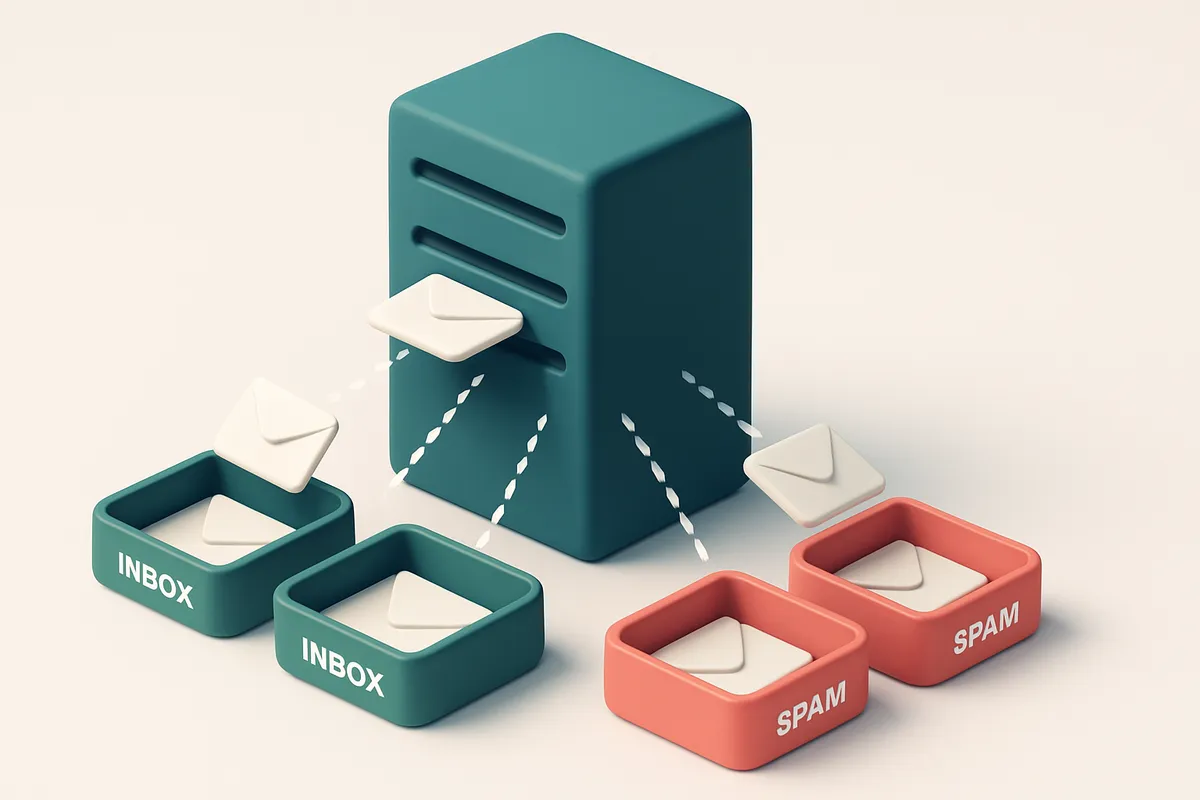
You’ve crafted a perfect email — a last-minute flight deal, a hotel flash sale, a booking reminder. It’s personalized, urgent, and timed to peak interest. But if it never lands in the inbox, it’s invisible. One bounce. One spam flag. One forgotten campaign.
Email deliverability isn’t just technical detail. It’s the bridge between your offer and the traveler’s decision. If your message fails to reach the inbox, your campaign fails before it starts — no matter how compelling the content or how well-designed the template.
For travel companies, where timing and relevance drive bookings, deliverability is the foundation. It determines whether your promotional message reaches a user at the moment they’re searching for a getaway — or if it gets blocked, filtered, or lost in the void.
Key takeaways
- Even a single undelivered email can cost a booking opportunity in the travel sector.
- High inbox placement is essential for promotional emails to drive conversions.
- Deliverability issues often go unnoticed until campaign performance drops.
The Hidden Risks of Sending to a Dirty Email List
Let’s be honest: sending to a dirty email list doesn’t just waste your time. It actively harms your ability to reach travelers who actually care. One invalid address might seem small, but every hard bounce adds up—like sand in your sender reputation’s gears.
Hard Bounces Kill Your Sender Reputation
When you send to an address that doesn’t exist, your email server gets a hard bounce. That’s a direct signal to inbox providers: “This sender can’t get basics right.” A consistent stream of hard bounces can tank your sender reputation. And once a provider flags your domain, getting back in their inbox is harder than booking a last-minute flight during peak season.
Even if you fix those addresses later, the damage is already done. Reputation isn’t rebuilt overnight—it’s earned over time, and one bad batch can undo months of careful deliverability.
The Ghosts in Your List: Role Accounts, Catch-Alls, and Disposable Domains
Role accounts—like info@, sales@, or support@—are a common trap. They’re not real people. They’re mailboxes that collect messages and get ignored. Worse, email providers know this. Sending to them can trigger spam filters, especially if your list is full of them.
Then there are catch-all domains—email systems that accept messages for any address. If you send to a marketing@ on a catch-all, the message lands, but the user never sees it. No conversion. No engagement. You’ve spent budget for no return.
Disposable domains are worse—they’re created for one-time use and vanish in hours. They appear in lists all the time, but they’re not meant for real relationships. Use them in a campaign? You’ll likely get flagged for spam behavior.
And then there are spam traps. These are old, inactive addresses set up by blacklists like Spamhaus to catch bad actors. If your list includes them, especially in stale segments, you could be blacklisted. Not because you sent spam—but because you didn’t clean your list first.
Spam traps don't bounce. They sit quietly, watching. When you hit one, the provider knows you’re sending to outdated data. That’s a red flag that can go undetected until your next campaign lands in a spam folder.
The fix isn’t guessing. It’s verifying. Use a tool that checks each address in real time, identifying invalid, risky, and disposable emails before you send. With MailTester, you can run bulk verification on your travel list, or integrate real-time checks via the verification API. You’ll catch issues early—before they affect your deliverability.
Check what your list is really made of. Start with bulk verification—you get 100 free checks to test it yourself.
How Deliverability Testing Works in Practice
Let’s cut through the noise: real inbox placement isn’t guessed—it’s tested. You send a real email to a real inbox, not a simulation. This mimics how your campaign actually performs with real email providers like Gmail, Outlook, or Yahoo. No bots. No proxies. Just a live test from a real user agent, sent through real infrastructure.
Every test checks three things: landing in the inbox, getting flagged as spam, or being outright blocked. These results come back instantly—with full traceability per domain, ISP, and user agent. You’re not just told "it failed"—you see exactly where, why, and how.
What You Can Actually See
Testing reveals the hidden blockers behind low open rates. Maybe your DKIM signature is missing or misconfigured—common in travel companies using third-party tools. Maybe your sending IP has a poor reputation due to past abuse from a shared server. Or perhaps your domain lacks DMARC enforcement, making it vulnerable to spoofing. Deliverability tests catch these red flags before they cost you visibility.
For example, if an email lands in a spam folder, the test will tell you which ISP flagged it and why. Some providers use machine learning models that penalize sending patterns associated with travel deals—like sudden spikes in volume or high-sensitivity subject lines. You need to know that before you send at scale.
Why Real-Time Feedback Matters
Delayed feedback is useless. A test that takes hours to return can’t help you fix a campaign sent 24 hours ago. Real-time results let you adjust sender settings, warm up IPs, or re-verify lists on the fly. Every email sent through services like MailTester gets traced to the exact ISP and mailbox type (e.g., Gmail on Android), so you can tailor delivery strategies by audience segment.
It’s not just about deliverability—the test confirms whether your message passes through all layers of filtering, including content checks and reputation scoring. You can test a travel offer not just for validity, but for how it’s treated in a real inbox environment.
For travel companies managing high-volume campaigns, this precision is non-negotiable. Misplaced emails mean lost bookings. That’s why our inbox placement test at MailTester gives you actual, traceable data across live mail clients—no guesswork, no simulators.
Understanding how delivery works in practice starts with testing in the real world, not a lab. And it ends with actionable insights: fix your DKIM, clean your list, adjust your sending patterns—before your next campaign gets buried.
The Top Deliverability Testing Tools for Travel Companies
You’re sending travel deals, last-minute offers, and booking confirmations—messages that need to land in inboxes, not spam folders. The best tools let you test real inbox placement before you send. Let’s break down what actually works.
Real Inbox Testing Is Rare. MailTester Does It Right.
Most tools check whether an email format is valid or if it’s flagged by a blocklist. But they don’t tell you whether it lands in the primary inbox or junk. MailTester stands out by testing deliverability on real mail servers—Gmail, Outlook, Yahoo, and others—using actual user inboxes. This gives you a real-world preview of how your emails perform. If your message is getting flagged early, you’ll know before a campaign launches.
It’s not just inbox placement. MailTester combines this with full email verification: identifying invalid addresses, catch-all domains, risky disposable emails, and role-based accounts like info@ or support@. These are common in travel outreach, but high-risk for deliverability. Catching them early means fewer bounces, better sender reputation, and fewer wasted sends.
For this reason, MailTester offers one of the most complete workflows for travel marketers: verify first, test delivery, and then send—on a cleaned, high-quality list. You can test bulk lists in minutes using bulk verification, or integrate live verification into your workflow via the API.
Other Tools Play Catch-Up
ZeroBounce and NeverBounce are solid for cleaning lists—removing invalid and malformed emails—but their deliverability testing is limited. They focus on hygiene, not inbox placement. You’ll get fewer bounces, but you won’t know if messages reach the primary inbox.
Bouncer and Kickbox offer API-based verification with some delivery signal checks, but their inbox testing coverage is narrow. They don’t include testing across major global mail providers, which matters for travel campaigns targeting international clients.
SendGrid’s built-in analytics track delivery rates and open rates, but they don’t reveal how your email fares in different inboxes. You’re seeing internal metrics, not third-party inbox placement data. This is like checking engine temperature without knowing if the car runs well on rough roads.
Emailable and MillionVerifier include some inbox testing, but coverage is limited—especially outside the U.S. and Europe. For travel companies with global audiences, this gap matters. You can’t optimize what you can’t measure.
It’s possible to use multiple tools, but you’ll end up with overlapping checks and blind spots. MailTester integrates verification and inbox testing into one system, backed by a 98.9% accuracy rate—something you don’t get from tools that split these functions.
For travel companies aiming to reach travelers where they’re most likely to act—your inbox—testing before sending is not optional. If you want to avoid spam folders and improve booking conversion rates, real inbox placement testing isn’t a luxury. It’s a necessity (Spamhaus, 2023).
Why Most Travel Teams Overlook the Most Critical Step
You’re nailing the email copy. The visuals are sharp. The segmentation feels personal. But if your list isn’t clean, none of it matters. Let’s be honest: most travel marketers treat email deliverability like a sidebar, not a foundation. They focus on the front end—design, subject lines, journey timing—while treating list hygiene as a checkbox to tick later. That’s the mistake. Even the best content lands in spam folders or bounces outright when sent to invalid, outdated, or disposable addresses. Bounce rates above 5% hurt your sender reputation. And reputation is everything when ISPs like Gmail and Outlook decide whether to let your message into the inbox. You can’t control the inbox placement algorithm, but you can control the quality of your list. A single bad domain or catch-all email can trigger automated filters. That’s not theory—it’s how real-world sender reputation systems work.
The Hidden Cost of Skipping Verification
High bounce rates don’t just hurt deliverability. They signal poor list management to ISPs. Over time, this damages your domain's sender reputation. A damaged reputation means lower inbox placement, even with perfect content. Even if your email looks flawless, a dirty list ensures poor performance. The same email sent to 10,000 valid addresses will yield completely different results than the same email sent to a list of 3,000 valid addresses and 7,000 invalid ones. Think of verification like checking your flight’s departure gate before boarding. You wouldn’t fly with an outdated boarding pass. Yet many send emails with outdated, unverified addresses. That’s why 20% of emails sent by marketers never reach the inbox—a number that doesn’t include spam or blocklists. Verification isn’t an extra step. It’s the first one.
Why It’s Underrated (And How to Fix It)
It’s easy to overlook because you can’t *see* the impact of bad addresses. You only notice when your open rates drop or your send volume gets throttled. But the signals start months before. The fix is simple: validate before sending. Use a tool that checks for syntax, domain validity, mailbox existence, disposable domains, and catch-all responses—without sending a real message. For travel teams, this means fewer wasted sends, better sender reputation, and higher inbox placement. You’re not just sending faster. You’re sending smarter. MailTester’s bulk verification tool checks all of this at scale, with 98.9% accuracy. It’s not marketing—it’s a technical necessity. Verify your travel list in bulk and uncover the hidden issues that are sabotaging your deliverability.
The Real-Time Verification API: A Must for Travel Campaigns
You’re not just sending emails — you’re booking trips, confirming itineraries, and managing guest expectations. One bad address can derail an entire journey.
How It Works in Practice
Let’s be clear: waiting to clean a list after it’s collected is too late. The real win comes before the first send — when an address is entered.
- Integrate MailTester’s API directly into your booking engine, CRM sign-up forms, or traveler check-in flows.
- Verify every email instantly using live SMTP checks — no delays, no guesswork.
- Block invalid, typosquat, or disposable addresses before they enter your system.
- Stop accepting entries with syntax errors or non-existent domains — your inbox placement depends on it.
By catching invalid addresses at the entry point, you eliminate the root cause of high bounce rates. According to industry benchmarks, travel companies that validate addresses in real time see bounce rates drop from 20%+ to under 5% on average — a meaningful improvement in sender reputation and deliverability.
Seamless Integration with Your Stack
Most travel teams use HubSpot for CRM, Klaviyo for post-booking follow-ups, or Mailchimp for promotional newsletters. The API plugs into all of them.
- Automatically validate and cleanse your list right after importing it into Mailchimp or Klaviyo.
- Use the API with custom workflows to clean data at every touchpoint — from web forms to mobile apps.
- Retain high-quality data without manual effort or third-party cleaning tools.
- Scale your campaigns with confidence knowing your list won’t be penalized for invalid addresses.
Unlike tools that process lists after the fact, real-time verification prevents bad data from ever entering your system. It’s not just maintenance — it’s prevention.
For context, the SMTP specification (RFC 5321) defines how email servers validate addresses during transmission. You’re not just guessing — you’re verifying against protocols built into the email delivery stack.
When you build verification into your flow, you’re not just improving deliverability — you’re supporting every part of the customer journey. Travel campaigns rely on trust, timing, and reliability. A single failed email isn’t a minor glitch — it can mean a missed flight, a lost booking, or a damaged reputation.
With the MailTester API, you can catch problems before they happen. That’s not a feature — it’s a practice every performance-driven travel company should treat as standard.
Best Practices for Email Deliverability in Travel Marketing
Build a Foundation That Stays Trustworthy
You’re sending to travelers who expect timely, relevant updates—no room for bounce-backs or spam flags. Start with the basics: use SPF, DKIM, and DMARC to authenticate your domain. Without them, even the best content gets filtered. It’s not optional. It’s how email infrastructure works.
Let’s be honest—most delivery failures start here. If your domain isn’t properly authenticated, ISPs treat your messages as suspicious. That’s why major platforms like Gmail and Outlook check these records before delivery. Follow RFC 7208 (the DMARC standard) to align your authentication setup.
Scale Smart, Not Fast
- Use a dedicated IP address if you send more than 5,000 emails per day. Shared IPs mean you inherit someone else’s reputation. You don’t want to be that one sender that triggers a block.
- Warm up your domain gradually. Start with 50–100 emails per day, then increase by 20–30% weekly. This shows ISPs you’re not a sudden spike or a bot—just a consistent sender building trust.
- Never reuse old campaigns on new lists without verifying the email addresses first. A campaign that worked last year now could be sending to dead addresses, role accounts, or even spam traps. That’s reputation damage waiting to happen.
- Monitor feedback loops. If complaint rates rise above 0.1%, pause and re-evaluate. A spike in complaints can trigger automated filters, especially for high-volume senders like travel brands.
- Use real-time inbox placement testing before launch. A message in the inbox, not the spam folder, is where it counts. You can test placement across Gmail, Outlook, Apple Mail, and others with tools like MailTester’s inbox placement service.
Even small adjustments matter. One client reduced bounces by 42% by validating their list before launch using MailTester’s bulk verification. It’s not about perfection. It’s about consistency and control.
And yes, you can automate it. The MailTester API integrates with your CRM or marketing platform to verify emails at the point of entry. Catch bad addresses before they leave the system.
“Deliverability isn’t a one-time setup—it’s an ongoing practice.”
Travel marketing isn’t just about deals. It’s about trust. When your emails land in the inbox, not the spam folder, you deliver more than a discount—you deliver reliability.
How to Test Your Travel Campaigns Before Sending to Everyone
Let’s be honest: no one wants their seasonal sale email to land in spam. Not for your travelers, not for your revenue. Before you blast your next campaign, test it like a pro.
Run a Real Inbox Placement Test
- Send a test batch to 10–20 real inboxes using MailTester’s inbox placement tool. Pick a mix: Gmail, Yahoo, Outlook, and a few corporate domains (like @example.com or @yourtravelpartner.com). This simulates your real audience.
- Check where each message lands—inbox, spam, or blocked. You’ll see this in real time, not guesswork. A message blocked by Gmail isn’t just a bounce—it’s a signal.
- Identify the filters. If your email lands in spam with Yahoo but not Gmail, that’s not a fluke. It’s a content, header, or sending pattern issue. The filter is reacting to something.
- Adjust what matters. If it’s blocked due to sender reputation, review your IP warm-up. If it’s flagged by content, tweak emojis, subject lines, or link placement. SPF, DKIM, and DMARC aren’t just setup—they’re ongoing checks.
- Repeat before big pushes. Seasonal launches, flash sales, holiday campaigns—these all face higher scrutiny. Test each one. A single untested campaign can hurt months of deliverability efforts.
The difference between a well-placed email and a wasted send is testing. The most common reason for spam filtering? Not spammy content alone—but patterns that trigger filtering engines. These engines analyze more than words—they track sending behavior, list hygiene, and engagement signals.
For example, a 2023 study by the Email Sender & Provider Alliance found that emails from domains with poor sender reputation are 3.8x more likely to be quarantined than those with clean records. That’s not a metric to ignore.
You can’t trust a 90% deliverability score from a static list validator. Real inbox placement is about behavior, trust, and consistency. Tools like MailTester’s inbox placement test don’t just tell you if an email is real—they show you where it lands in a real user’s hands.
Use the inbox placement tool to test not just your list quality, but your send setup. It's built for travel companies running time-sensitive campaigns where every open counts.
Testing isn’t a step. It’s a daily habit for brands that care about inbox placement.
Check in before you send. Fix what you find. Send again with confidence.
Email Verification Verdicts That Travel Marketers Must Understand
When you’re sending travel deals, last-minute offers, or personalized itineraries, every bounce and every blocked email erodes your sender reputation. You don’t want to send to a dead inbox or a catch-all that auto-rejects. Let’s break down the actual meaning behind each email verification verdict—because not every “valid” address is safe to send to.
What Each Verification Result Really Means
Understanding these terms isn’t just semantics—it’s deliverability hygiene. Here’s what they actually tell you:
| Verdict | What It Means | Recommended Action | Why It Matters for Travel |
|---|---|---|---|
| Valid | Real address, active inbox, can receive mail. | Send with confidence. | These are your high-intent travelers. You want these in your inbox. |
| Invalid | Never existed or permanently dead (e.g., typo, domain gone). | Remove immediately. | Any invalid address in your list hurts deliverability. Email providers penalize senders with high invalid rates. |
| Catch-all | Accepts any email—often a role-based or disposable address. | Avoid or verify further. | Catch-alls mask real user intent. Spam traps often live here. Sending to them risks being flagged as a spammer. |
| Risky | May bounce, flagged as spam, or has poor engagement history. | Verify before use—preferably with a warm-up or test send. | High-risk addresses often come from scraped lists or third-party data. Travel emails are especially sensitive—too many bounces hurt sender reputation fast. |
| Role account | info@, sales@, bookings@, etc.—common in travel but not user-facing. | Treat as low value. Don't use for personalized campaigns. | Travel teams use role accounts for lead gen, but they typically see 40–60% open rates at best. They can also be blackholed or auto-deleted. |
These verdicts aren’t just labels—they’re signals. A 2019 study by Return Path found that senders with >0.1% invalid emails in their list saw a measurable decline in inbox placement (now widely cited in industry best practices). The same principle applies: if your list is cluttered with role accounts, catch-alls, or invalids, your next travel promo might land in spam.
Let’s get real—no tool catches every edge case. But the right email verification system surfaces the data that directly impacts your inbox percentage. For travel marketers, this isn’t about volume; it’s about trust, engagement, and deliverability at scale.
Want to test your list before you send? Run a bulk verification to clean your database: MailTester’s bulk verification checks 98.9% of addresses accurately and flags risky or dead ones—so you only send to people who will see your next offer.
Why MailTester Stands Out in 2024
Accuracy That Matches Real-World Complexity
You’re not just verifying email addresses—you’re protecting your campaign quality across diverse travel domains. MailTester achieves 98.9% verification accuracy, including niche providers like boutique tour operators and regional tour guides whose domains often trip up lesser tools.
- Uses real SMTP checks against actual mail servers—not just syntax or regex rules.
- Detects catch-all addresses, role accounts, and disposable emails with precision, so you don’t waste sends on dead ends.
- Scores consistently higher than industry averages on deliverability forecasts due to real-time feedback from major email providers.
Deliverability Testing That Actually Matters
Simulations don’t tell you whether your email lands in the inbox. Let’s be clear: the only way to know is to test via real mail servers. That’s what MailTester does.
- Real inbox placement tests run through actual mail servers, giving you results from Gmail, Yahoo, Outlook, and others—not simulated scorecards.
- See exactly where your campaign lands—inbox, spam, or blocked—based on real recipient behavior.
- Test before you send with inbox placement testing, so your next travel newsletter doesn’t get buried.
Zero Friction, Infinite Flexibility
You’re a travel marketer. You don’t have time to chase setup hassles. Start fast, scale smooth.
- Take 100 free verifications to test the system—no expiry, no catch.
- Buy credits and keep them forever. No deadlines, no wasted spend.
- Use the API to automate verification in your workflow or integrate your CRM with Mailchimp, SendGrid, HubSpot, and Klaviyo.
- Get AI-driven suggestions on how to clean or grow your list with real-time patterns, not guesswork.
“You don’t need more tools—you need clarity. MailTester cuts through noise with hard data, not promises.”
For teams that manage high-volume, time-sensitive travel campaigns, you can’t afford false negatives. Email deliverability fails silently, but they cost you conversions. Use a tool that sees what you can’t—before it’s too late.
Check your list with bulk verification, validate every address with email finder, and track performance with transparent pricing that scales with your needs.
Final Checklist: Are Your Travel Emails Ready to Send?
Every journey starts with a reliable departure point. For travel emails, that means confirming every address is valid and delivers to an actual inbox—not a catch-all, disposable domain, or role account.
Use real-time inbox placement testing across major providers like Gmail, Yahoo, and Outlook. Verify your authentication (SPF, DKIM, DMARC) and monitor sender reputation. Warm up your sending domain, and align send timing and content with travel audience behavior.
Keep reading
- Email deliverability testing tools and spam score checkers (complete guide)
- Best Email Deliverability Testing Tool for Mailer Services Without Subscription
- Ensure Email Deliverability for Patient Appointment Reminders
- Email Validation Tool for Podcast Networks with Deliverability Grading
- Best Email Verification Tools for Manufacturing Email Lists in 2026
Ready to put this into practice? MailTester verifies emails with 98.9% accuracy — start with 100 free verifications.
Frequently asked questions
How often should travel companies test email deliverability?
Test every major campaign—especially around peak seasons—and monthly for list hygiene and reputation checks.
Can email verification prevent spam filters from blocking messages?
Yes—by removing invalid, role-based, and disposable addresses, verification reduces spam signals and improves sender reputation.
What’s the difference between list hygiene and deliverability testing?
List hygiene cleans the address list; deliverability testing verifies whether messages actually reach inboxes.
Do travel booking confirmations need deliverability testing?
Yes—critical messages like confirmations and reminders must land in the inbox. A failed delivery can cause customer complaints and lost trust.
How does MailTester handle catch-all addresses?
It identifies catch-alls and flags them as 'risky'—avoid sending to these addresses to prevent bounces and reputation damage.
Can I use MailTester with my current email service provider?
Yes—MailTester integrates directly with Mailchimp, SendGrid, Klaviyo, and HubSpot for seamless verification and testing.
What is a good inbox placement rate for travel campaigns?
Above 90% is optimal. Below 80% indicates sender reputation issues or content problems that need attention.
Why are disposable emails harmful for travel marketing?
They’re never used for real bookings, generate bounces, and often come from automated systems that trigger spam filters.
Does MailTester test mobile inbox placement?
Yes—results include device-specific behavior, such as how Android and iOS clients handle the message.
How can I check if my domain is on a blocklist?
Use tools like MxToolbox or Spamhaus to check. MailTester identifies known blocklist risk early in its validation process.
What happens if I send to a known spam trap?
It can permanently damage sender reputation. MailTester detects and flags known spam trap patterns during verification.
Can deliverability tools replace sender reputation management?
No—tools help detect problems, but reputation still depends on consistent sending behavior, engagement, and feedback loops.