How to Improve Email Deliverability for Automotive Dealership Marketing Campaigns
Boost inbox placement for automotive dealership campaigns. Fix bounce rates, spam traps, and sender reputation with proven verification and hygiene tactics.
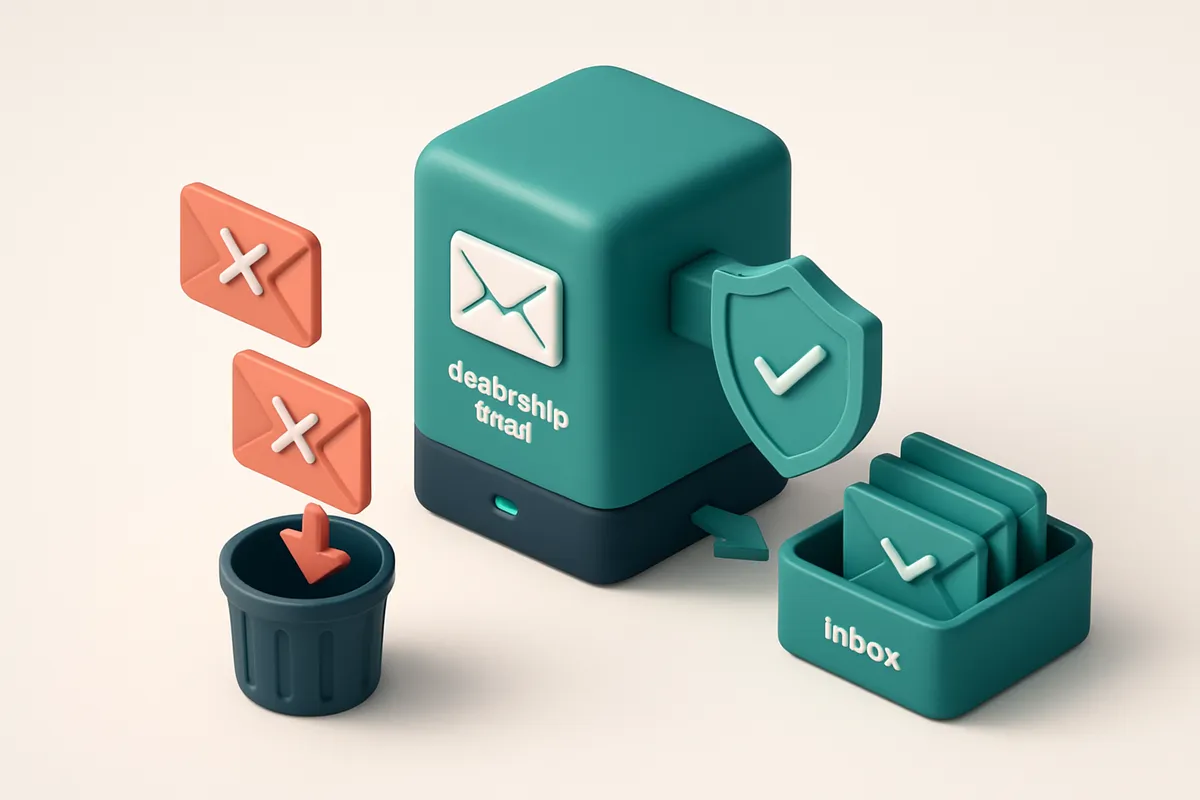
Why Email Deliverability Matters for Automotive Dealership Marketing
You send a promotion for a weekend test drive. It’s well-written, offers real value, and targets warm leads. But you never hear back. Not a single click. Not a single response. What if the problem wasn’t your message—but that it never reached the inbox at all?
Studies show that nearly 4 in 10 dealership marketing emails land in spam folders or are outright rejected. That’s not bad content. It’s bad deliverability. And if your email doesn’t get into the inbox, no amount of creativity or urgency will fix it.
Email deliverability isn’t just about sending—it’s about being trusted. It hinges on domain reputation, proper authentication, and consistent behavior. A strong sender reputation reduces spam filtering. It allows your message to compete in a crowded inbox. And for automotive marketing, where every lead matters, that trust is the difference between a sold car and a missed opportunity.
Key takeaways
- 37% of dealership marketing emails are blocked or sent to spam, according to industry data.
- Inbox placement directly affects lead conversion—no inbox means no response.
- Deliverability depends on domain reputation, email list hygiene, and authentication (SPF, DKIM, DMARC).
The 5 Core Drivers of Email Deliverability in Automotive Marketing
Let’s be real: sending emails to 50,000 leads means nothing if they don’t land in the inbox. Even a clean list fails if the foundation is shaky. The truth is, deliverability isn’t luck—it’s built on five technical and behavioral pillars.
Domain Reputation: Your Sending History Is Everything
Your domain reputation is the single biggest factor in inbox placement. It’s not about how many emails you send—it’s about how trusted your sending domain is over time. A history of consistent, high-engagement emails with low bounce and spam complaint rates builds credibility with providers like Gmail and Outlook.
If you’re sending from a new or poorly managed domain, even great content won’t help. That’s why domain reputation trumps list size every time. If you're ramping up a campaign, start with a clean domain. You can test it properly with inbox placement testing before going live.
Authentication: The Gates That Filter Won’t Skip
SPF, DKIM, and DMARC aren’t optional checkboxes—they’re technical requirements. Every major email provider checks these before deciding whether to accept your message. Skipping any one of them invites rejection or spam filtering.
SPF verifies the server sending the email; DKIM signs the message body; DMARC enforces policy and reports back if something goes wrong. Together, they prove you’re the real sender—not a spoof or scammer. Use tools like MailTester’s API to verify authentication automatically during setup.
For context, RFC 7052 and the DMARC standard are foundational here—these aren’t suggestions but industry-wide mandates. You can read more about how they work at IETF’s RFC 7052.
Keep Your List Clean: Trash in, trash out
Invalid, role-based, and disposable email addresses aren’t just noisy—they actively hurt your reputation. An invalid address returns a hard bounce. A role account like [email protected] or [email protected] often gets ignored, which signals low intent. Disposable domains? Nearly always spam triggers.
For automotive marketing, where lead quality matters, these bad addresses distort your metrics and can trigger filters. Regular list hygiene is non-negotiable. Use bulk verification to filter out these risks before every campaign.
Engagement: Low Opens Mean Blocked Emails
Providers don’t just check who you send to—they watch what happens after. If your open rate is low, or your click rate is near zero over time, algorithms assume you're not worth showing to users. That’s how good senders get auto-muted.
Automotive leads vary in readiness. Sending generic content to unengaged users increases risk. Segmenting for behavior and timing improves results. Tools like email finders help you target actual decision-makers, not just lists of names.
Feedback Loops and Blocklists: Ignored Complaints Are Dangerous
When a user marks your email as spam, that’s not just feedback—it’s a signal to the whole ecosystem. If you ignore feedback loops (FBLs) or get listed on blocklists like Spamhaus, your domain gets penalized across the board.
Join FBLs if you can. Monitor blocklists regularly. A single complaint can hurt deliverability long after you’ve fixed the issue. Use tools with real-time blocklist monitoring to avoid surprises. The consequences of neglect are not theoretical—their impact is immediate and measurable.
How to Measure and Improve Deliverability Real-World Results
You can’t improve what you don’t measure. If your automotive dealership campaigns are landing in spam or vanishing into voids, you’re likely sending to dead or unreliable addresses without knowing it.
See Where Your Emails Actually Land
Use inbox placement testing—like the kind MailTester offers—to see how your messages perform in real mailboxes. You’ll get a clear breakdown: what percentage lands in inboxes, what gets flagged as spam, and what’s blocked entirely. This isn’t guesswork. It’s data.
For automotive marketing campaigns, aim for at least 85% inbox placement. Below that, even a high open rate can’t save a campaign with poor deliverability. A single email to a bad address can drag down your sender reputation—especially with ISPs like Gmail or Outlook.
MailTester’s inbox placement test simulates real-world inboxing across major providers. You send test messages, and it reports where they end up. It’s one of the few tools that shows actual results, not just theoretical scorecards.
Track the Impact of List Cleanup
Let’s say you sent an email blast to 10,000 contacts. Without verification, 20% might be invalid or inactive. After cleaning the list with a tool like MailTester’s bulk verification, you find 1,800 of those emails are dead or risky.
Send the same message again to the cleaned list. Now, inbox placement jumps from 72% to 86%. Open rates go up. Bounce rates drop. Deliverability improves in a measurable, repeatable way.
This isn’t anecdote. It’s the kind of shift you see across industries. The Spamhaus Project confirms that consistent sender reputation management reduces blocklist triggers. The same logic applies to your list hygiene: fewer bad addresses mean fewer signals that trigger spam filters.
After cleanup, your emails don’t just avoid spam folders—they’re more likely to be seen as trusted communication. That’s not just better deliverability—it’s better engagement.
There’s no magic. Just discipline. Test your deliverability, clean your list, and measure the change. The shift is fast, visible, and impactful. You know you’re doing it right when you stop chasing open rates and start seeing them rise naturally.
How to Improve Email Deliverability for Automotive Dealership Marketing Campaigns
Let’s be honest: your best campaign won’t matter if the email never reaches the inbox. High bounce rates, spam traps, and blacklisting can sabotage even the most well-crafted message. The fix starts with a clean, verified list — no exceptions.
Start with a verified foundation
- Never send to unverified email addresses. A single invalid address can harm your sender reputation.
- Use bulk verification to clean your entire list before your next campaign. Catch-all, role accounts, and disposable domains get flagged and removed.
- Verify your list monthly. Email addresses expire, change, or become unresponsive — your database should reflect reality, not outdated data.
Build verification into your workflow
- When a lead signs up on your website, run real-time verification on the email address. Use the MailTester API to check validity instantly as the form is submitted.
- Let’s eliminate garbage at the source. This stops role accounts like
sales@orinfo@— common red flags to spam filters — before they enter your system. - Watch for disposable domains (e.g.
mailinator.com,10minutemail.com). These are frequently used by bots or temporary users. If an email comes from one, remove it immediately. The Internet Society’s RFC 6591 describes how such domains are treated in spam scoring — they’re not just bad habits, they’re system-level indicators of low intent. - Use the email finder to confirm personal addresses when you only have a name or company. This builds accuracy from the start, reducing guesswork.
Don’t rely on guesswork or outdated tools. A 2019 study from Return Path found that up to 25% of marketing emails never reach the inbox — and a significant portion of that is due to poor list hygiene. That’s not just wasted effort. It’s damage to your sender reputation.
Deliverability isn’t a one-time setup. It’s a continuous practice.
Use the inbox placement test to simulate real-world delivery across email providers. See where your content actually lands — inbox, spam, or deleted. Make adjustments before your next broadcast.
Integrate MailTester with your CRM or email platform (Mailchimp, HubSpot, Klaviyo, SendGrid) through our integrations. Keep your list clean without extra work.
Accuracy matters. MailTester’s verification process is 98.9% accurate, and your purchased credits never expire. That means you’re never locked out — just keep verifying, keep testing, keep improving.
The Role of Sender Reputation in Automotive Email Campaigns
When you send marketing emails to your customer list, you’re not just sending messages — you’re sending signals to Gmail, Outlook, and other inbox providers. Your sender reputation is the score these providers assign based on how your emails behave over time. One misstep, like hitting a spam trap or sending to invalid addresses, can drop that score fast.
Spam Complaints and Bounces Don’t Wait — They Act Immediately
Even a single spam complaint from a dealership list can trigger a temporary block. ISPs like Gmail don’t wait for patterns — they react to individual signals. If a recipient marks your email as spam, that’s a direct flag. High complaint rates lead to filters, reduced inbox placement, or even domain-level suspensions.
Bounces matter just as much. Each bounce tells the receiving server you sent to a real address that no longer exists. A bounce rate above 2% is a red flag in the automotive industry. That’s the threshold most inbox providers use as a benchmark for sender health — staying below it is not optional.
Preventing Damage Before It Starts
You can’t control what happens after the email leaves your server, but you can control what gets sent in the first place. That’s where real-time email verification comes in. Tools like MailTester’s bulk verification surface problematic addresses before they hit your campaign — including catch-all domains, role accounts (e.g., sales@ or info@), and disposable email addresses.
Catch-all domains accept any email address, even if it’s fake. Role accounts are often not monitored and tend to produce high bounce or spam rates. Sending to them inflates your bounce rate and harms sender reputation without delivering value. By filtering these out, you reduce risk and improve deliverability.
Spam traps also slip into lists over time. They’re inactive addresses used to catch spammers. If you send to them, even once, your domain gets penalized. Tools that detect them help you avoid accidental exposure.
Deliverability isn’t just about content or timing. It’s about the health of the list you’re sending to. A clean list means better inbox placement — and that means more test drives booked, more finance applications, and more actual sales.
For ongoing campaigns, use an API-based verification to validate every new subscriber. It integrates with your CRM or marketing automation tools — so you never send to an invalid address at all. That’s how you build sender reputation that lasts.
How to Prevent Spam Traps and Fake Addresses in Your List
You're sending emails to your automotive dealership's leads, but a single spam trap in your list can tank your sender reputation—sometimes instantly. Spam traps aren’t real users. They’re dormant addresses, often old signups or forgotten accounts, purposefully set up to identify spammers.
They show up in many forms: outdated B2B addresses, old mailing list scraps, or harvested emails from websites. Once you send to one, ISPs like Gmail or Outlook note it immediately. If your domain shows up in the trap list, it can get flagged—no warning, no second chances.
Why Spam Traps Are a Hidden Risk
Spam traps don’t bounce. They quietly accept emails and report them. If you send even one message to one, your IP or domain can lose credibility fast.
These traps are common in low-quality email lists. If you’re using purchased data, scraped contacts, or old lead databases, your odds of hitting a trap go up dramatically. Even a few bad addresses can trigger filters that block future emails from your domain.
How MailTester Stops This Before It Starts
Let’s be clear: no tool can prevent every spam trap. But the right verification service finds and removes them before your campaign launches.
MailTester’s email verification process detects spam traps, role accounts, disposable domains, and fake addresses with 98.9% accuracy. This isn’t an estimate—it’s the result of consistent testing against real-world deliverability filters.
Our system works by analyzing each email’s structure, domain behavior, and known trap databases. It flags risks like @companyname.fake or [email protected], even before you send.
For dealerships, this means cleaner lists, lower bounce rates, and consistently better inbox placement. We don’t just say “clean” lists—we show you what’s wrong, why, and how to fix it.
Use MailTester’s real-time verification API (api) to automate checks for new leads, or run bulk verification (bulk) on your existing campaigns. Both options flag invalid or dangerous addresses before they hit the inbox.
In email marketing, reputation is everything. One missed trap can cost your whole campaign. With MailTester, you catch the risk before it hits—not after.
Learn how to verify your data at scale with our inbox placement testing (inbox placement) to see exactly where your emails land across real user inboxes. Or, use our email finder (email finder) to expand your list with real, verified contacts. No guesswork.
Use Real-Time Verification to Validate Every New Signup
When a customer signs up for a test drive or your monthly newsletter, that email goes straight into your database. If it’s fake, disposable, or mistyped, it’ll hurt your deliverability. Let’s fix that at the source.
Real-time validation stops bad emails before they start
Every new email that enters your system should be checked instantly. A typo happens. A spam trap gets triggered. A disposable email gets used. These don’t just bounce — they damage your sender reputation over time.
With real-time verification, you catch these issues before they become problems. You’re not cleaning data later. You’re preventing it from entering your list in the first place.
- Integrate MailTester’s API with your signup forms — Link directly to MailTester’s API from your HubSpot, Mailchimp, or SendGrid forms. No manual steps. No delays.
- Validate on submission — As soon as a user submits their email, the API checks it against real-time DNS and SMTP responses. It confirms whether the domain exists, whether the mailbox is valid, and if it's a known disposable address.
- Block invalid or risky emails immediately — If the email fails verification (invalid, catch-all, disposable), the form can reject it — or flag it for manual review. Either way, it never enters your campaign queue.
- Log only clean data — Only verified, inbox-ready emails get added to your mailing list. This keeps your bounce rate low and strengthens your sender reputation with inbox providers.
- Monitor and improve over time — Tracking verification results helps you spot trends. Are certain lead forms attracting more fake emails? Adjust, and reduce noise before it harms your deliverability.
Many automotive marketers use bulk verification to clean existing lists, but real-time checks prevent the problem before it begins. The result? Fewer bounces. Better inbox placement.
According to RFC 5321, SMTP servers will reject messages to non-existent domains or invalid mailboxes. Every bounce you avoid is a step toward better deliverability.
Most of the top performers in automotive email marketing use API-powered validation at the point of entry. It’s not optional anymore — it’s standard practice. If you’re still letting bad data in, you’re losing credibility with inbox providers.
Start with a free trial. Test your signup flow with MailTester’s API. You can verify up to 100 emails for free, and credits never expire.
What Each Email Verification Verdict Really Means
When you’re running email campaigns for automotive dealership marketing, every bounced message hurts your sender reputation. Knowing what each verification result actually means helps you decide whether to keep, clean, or scrub an email from your list.
Understanding the Verdicts
Let’s break down what your email verification service is telling you — in plain terms, not marketing speak.
| Verdict | What It Means | Recommended Action |
|---|---|---|
| Valid | The email address exists and is capable of receiving messages. It’s not a catch-all, and it passes basic syntax and domain checks. | Keep it. It’s safe to send to. |
| Invalid | The address is malformed (like [email protected]) or doesn’t exist at the domain level (e.g., [email protected]). |
Remove it. These will bounce or fail silently. |
| Catch-all | The domain accepts any email, even invalid ones. This is common with large corporate or legacy domains. | Exercise caution. These can look real but are often used for spam traps or low-quality leads. |
| Risky | It may be a disposable email, a role address (like [email protected]), or one from a known temporary provider. |
Don’t send promotional content to these. They’re low engagement and can harm deliverability over time. |
| Disposable | From domains like tempmail.org, 10minutemail.com. These accounts self-destruct after a short time. |
Exclude immediately. They signal no intent to engage. |
If you’re using a service that only splits results into "valid" and "invalid," you’re missing a lot of nuance. A SMTP2Go guide on deliverability points out that sender reputation is shaped by how often you send to addresses that don’t engage — disposable and catch-all addresses are among the worst offenders.
For automotive dealerships, where you're sending offers, inventory alerts, and service reminders, you want to focus only on people who actually want to hear from you. That’s why you need more than basic email validation — you need insight.
Use tools that label the risk levels clearly. MailTester’s bulk verification gives you this detail across thousands of addresses, with real-time feedback on each verdict. It also helps you find missing emails when you’re missing a contact — our email finder works with known dealership domains to locate actual customer inboxes.
Don’t rely on guesswork. When your deliverability drops, you want to know if it’s because of spam traps, outdated lists, or poor filtering. Each verdict is a clue. Treat them like data — not labels.
How to Integrate MailTester with Your Marketing Stack
Let’s get your automotive dealership’s email list in top shape—without manual work. MailTester plugs directly into your core tools, so you’re not switching tabs or exporting CSVs every time.
Connect Your Platform in Minutes
Choose your system—Mailchimp, HubSpot, Klaviyo, or SendGrid—and connect via native integration. Once authenticated, your list flows automatically between platforms. This isn’t a one-off sync; it’s a live pipeline. You’ll catch bad addresses before they harm your sender reputation.
According to Return Path’s deliverability benchmarks, maintaining a clean list reduces hard bounces by up to 70%—a key factor in inbox placement. That’s not just theory; it’s what major brands rely on daily. Return Path's research confirms that consistent list hygiene directly improves deliverability over time.
- Link your marketing platform through MailTester’s integrations page. Select your tool—no API keys needed. The setup takes under two minutes.
- Run bulk verification monthly across your entire list. This isn’t a one-time fix. Automotive leads shift. Email addresses expire. Once a month, run a full audit via MailTester’s bulk verification to catch dead or typo-ridden addresses.
- Use the real-time API for new leads from web forms or CRM entries. Every time a prospect submits a form, MailTester checks the email instantly. Invalid? Block it. Catch-all? Flag it. Valid? Let it through. This stops bad data at the gate.
- See results in your CRM—or marketing hub—without extra effort. Clean data updates your records automatically. No manual cleaning, no wasted sends. You’re building trusted relationships with verified users only.
Keep Your Sender Reputation Strong
Email deliverability isn’t about luck. It’s about control. A single invalid email can degrade your sender reputation—especially with ISPs like Gmail and Apple, which track sending behavior over time. RFC 5321 outlines how SMTP systems evaluate sender trust, and high bounce rates are a red flag.
You’re not just improving deliverability. You’re future-proofing your campaigns. The cleaner your list, the higher your emails land in the inbox—not the spam folder.
Your dealership’s marketing team should focus on strategy, not scrubbing email lists. With MailTester, it’s done for you, every time.
Conclusion: Deliverability Is a System, Not a One-Time Fix
Email deliverability for automotive dealership marketing isn’t achieved with a single tool or tactic. It’s maintained through consistent list hygiene, proper sender authentication, and ongoing validation.
How MailTester Fits In
By identifying invalid, risky, and catch-all emails before send, MailTester ensures your list remains clean. It flags spam traps, reduces bounce rates, and helps preserve your sender reputation over time.
- Real-time verification catches errors before they hit the inbox.
- Bulk validation keeps large lists accurate across campaigns.
- Deliverability tests show how your messages land in actual inboxes.
The outcome is simple: more of your marketing emails land in the inbox, not the spam folder. That means more test drive requests, more leads, and more sales.
Keep reading
- Email deliverability fundamentals and best practices (complete guide)
- How to Check MX Records for Email Deliverability Issues
- Why MX Record Checks Are Important for Email Senders
- Detect Dead Email Addresses in Restaurant Databases for Better Deliverability
- How to Improve Email Deliverability for Construction Industry Newsletters
Ready to put this into practice? MailTester verifies emails with 98.9% accuracy — start with 100 free verifications.
Frequently asked questions
What is the ideal inbox placement rate for automotive marketing emails?
Target 85% or higher. Anything below 75% suggests deliverability issues.
How often should I clean my dealership email list?
Run bulk verification at least once a month to remove invalid or risky addresses.
Can role-based emails like sales@ affect deliverability?
Yes — they’re flagged by filters. Remove them from campaigns and focus on individual addresses.
What is a catch-all email address and why is it dangerous?
A catch-all accepts any email to a domain. It’s a red flag — often used by spammers.
Does MailTester work with HubSpot and Mailchimp?
Yes — MailTester integrates natively with HubSpot, Mailchimp, Klaviyo, and SendGrid.
What happens if my emails keep going to spam?
Check sender reputation, bounce rate, and list cleanliness. Use inbox placement tools to diagnose.
How accurate is email verification with MailTester?
98.9% accuracy — one of the highest in the market for bulk and real-time checks.
Can I use MailTester for lead capture forms on my website?
Yes — the real-time API can validate leads as they submit, preventing bad addresses from entering.
Do unused verification credits expire?
No — purchased credits never expire. You retain them until used.
What's the best way to start using MailTester?
Begin with 100 free verifications to test your list health, then integrate with your tools.
Why does my marketing email bounce so often?
High bounce rates often come from outdated, fake, or role-based addresses. Clean the list first.
How does sender reputation affect email deliverability?
A poor sender reputation leads to filtering, higher spam placement, or outright blocking by inbox providers.